Most people first hear about Botox from a friend who suddenly looks better rested, or from a dermatologist who suggests softening a deep frown crease that sets in by lunchtime. Done properly, botox injections relax overactive facial muscles, reduce lines that form with expression, and help prevent those lines from etching into the skin. The treatment is quick and non surgical, yet it still deserves the same respect you would give any medical procedure. Safety lives in the details: the consultation, the plan, the product, the hands that hold the syringe, and the aftercare.
What Botox Is, and What It Is Not
Botox is the brand name for onabotulinumtoxinA, a purified neurotoxin protein that blocks the release of acetylcholine, the chemical signal that tells muscle fibers to contract. When carefully placed, it softens dynamic wrinkles that appear with movement, like the vertical “11s” between the brows, horizontal lines on the forehead, and crow’s feet at the outer eyes. It also has targeted uses beyond lines, including a subtle brow lift, treating a gummy smile, reducing chin dimpling, and slimming the lower face by relaxing the masseter muscles.
What it does not do is fill hollow areas or lift sagging tissue. If a crease is present at rest because the skin has thinned or sunk, filler or regenerative treatments may be a better match. Many people ask for botox for smile lines around the mouth, but that region is usually a filler problem, not a muscle problem. Good clinics explain these distinctions and recommend a plan, not a product.
Safety Record and Regulatory Grounding
Cosmetic botox has been used in millions of treatments worldwide for more than two decades. In the United States, the Food and Drug Administration has approved onabotulinumtoxinA for glabellar lines (frown lines), lateral canthal lines (crow’s feet), and horizontal forehead lines. Other areas, such as the masseter for jawline contouring, the platysma bands in the neck, or a lip flip, are common but off label, which is legal when based on evidence and training.
All botulinum toxin products carry a boxed warning that describes the possibility of distant spread of toxin effect. In cosmetic doses and proper technique, the overall risk is low, and severe systemic effects are rare, especially compared with high dose therapeutic use for spasticity. Still, a medical procedure is never zero risk. A responsible botox specialist will review your medical history, medications, and expectations, and will document informed consent.
Matching the Treatment to the Person
The best botox outcomes come from reading the face, not just reading the syringe. Muscle strength varies between people and even from side to side on the same face. Men often need higher total units in the glabella or masseters because their muscles are thicker. People who exercise intensely or have faster metabolism may notice shorter duration. Deep static wrinkles may need staged sessions with lower doses, paired with skin care and possibly energy based treatments, rather than trying to brute force a smooth result in one visit.
Certain patients should skip botox entirely. Pregnancy and breastfeeding are standard exclusions. Anyone with a known allergy to formulation components, an active skin infection at the injection site, or a history of certain neuromuscular disorders such as myasthenia gravis needs careful specialist input or should avoid treatment. Medications that affect neuromuscular transmission, like aminoglycoside antibiotics, can theoretically interact. If you use prescription eye drops, have had recent facial surgery, or plan to have one soon, mention it at your botox consultation.
Picking a Provider Who Puts Safety First
A good botox provider blends medical training, procedural experience, and an eye for balance. Board certification in a relevant specialty, ongoing anatomy education, and thousands of injections performed tell you more than glossy ads or limited time botox deals. If you are scrolling for “botox near me,” click beyond the top ad and read clinician bios, not just spa descriptions. Even among excellent injectors, styles differ. Some favor a very soft look with plenty of movement. Others lean crisp and smooth. Clarify your personal preference during the botox appointment and ask to see botox before and after photos that match your age, gender, and facial structure.
Here are concise questions that help you compare clinics and find the best botox for your goals:
- Who performs the injections, and what is their medical training and certification? How many years and approximately how many botox sessions have they completed in the areas I am considering? What is their approach to dosing and follow up, including touch ups at two weeks if needed? How do they handle adverse events such as eyelid ptosis or asymmetry, and what is their complication rate? What is included in the botox price, and are there additional fees for follow up or dissolving prior filler if required?
Product Names, Dilution, and Units
Botox is the brand most people know, but there are other FDA cleared botulinum toxin type A products in common use for cosmetic areas: abobotulinumtoxinA, incobotulinumtoxinA, and prabotulinumtoxinA. The units are not interchangeable across brands. Twenty units of one product does not equal twenty units of another. Experienced providers choose a product based on onset profile, spread characteristics, and personal familiarity. Onset may range from 24 hours to five days, with peak effect around two weeks. Duration commonly lands between three and four months, though two to six months is a fair real world range.
A word on dilution, which some patients ask about after reading blogs. Toxins are shipped lyophilized and must be reconstituted with normal saline. Dilution affects the volume per injection, not the dose, which is determined by units. Different clinicians use different volumes to shape spread. Obsessing over dilution numbers is less productive than asking whether the injector is consistent in their technique and willing to adjust based on your past botox results.
What the Visit Feels Like
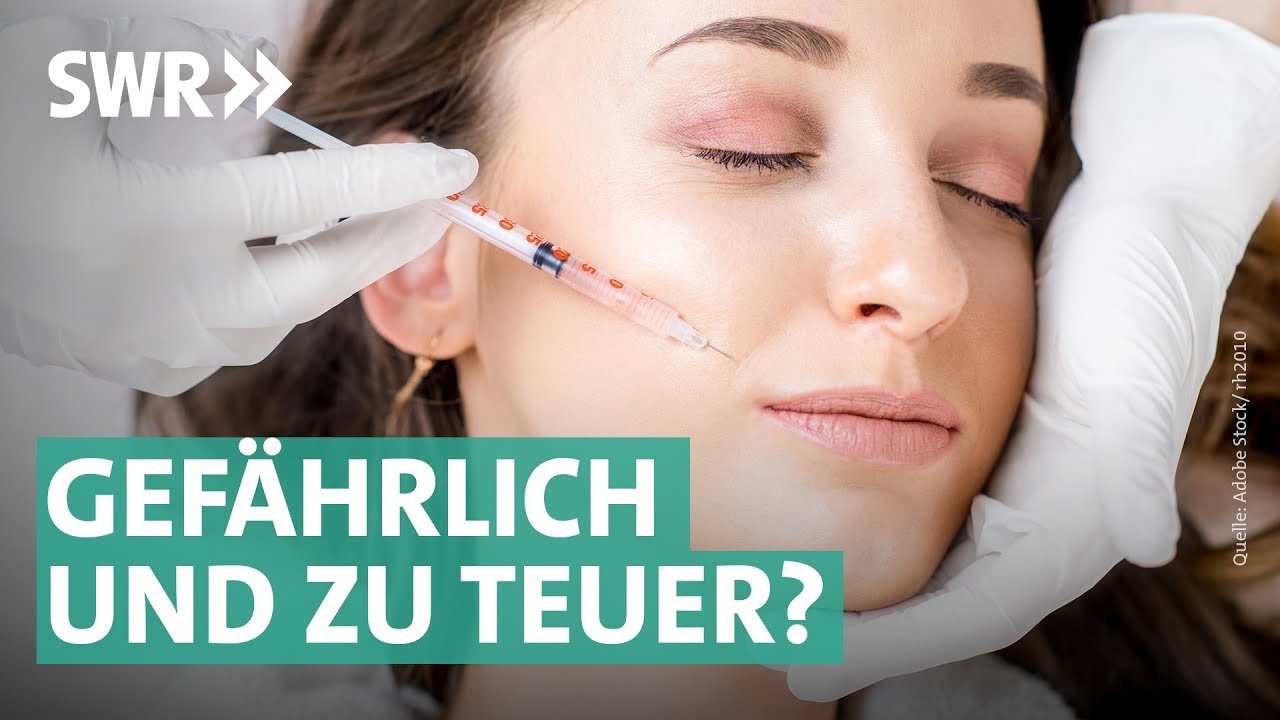
A thoughtful botox service starts before the syringe. You will review your medical history and the plan. The provider may mark injection points with a white or purple pencil, position you under good lighting, and take standardized photos to document a baseline. Makeup is removed where needed. Many clinics use a topical anesthetic or an ice pack for a minute before the first pinch. With a fine needle, the injections feel like quick mosquito bites. Treating the glabella usually takes the edge off a headache for people who carry tension there, which surprises first timers.
Most full face botox treatments, including the forehead, crow’s feet, and frown lines, take 10 to 20 minutes. Expect tiny raised blebs at the injection sites that settle within an hour. Mild redness is common, bruising less so but possible, especially if you use aspirin, fish oil, or other blood thinners. Makeup can usually be reapplied the same day with a light hand if there is no bleeding. Your provider may book a follow up at two weeks to fine tune symmetry once the botox has fully set.
Practical Aftercare That Helps
There are no magic tricks to make botox work better, but simple habits reduce avoidable problems. Treat the first day like fresh paint: do not press, rub, or sleep face down. Keep strenuous exercise, saunas, and hot yoga for the next day. If you forget and hit a workout class, it is unlikely to ruin anything, but best practice is to give the product time to bind at the neuromuscular junction without extra heat or pressure.
Use this short checklist to steer clear of the most common missteps in the first 24 hours:
- Avoid rubbing or massaging treated areas, and skip facials or aggressive cleansing tools. Stay upright for four hours after the session, and do not nap face down. Keep workouts light to moderate on day one, and delay hot tubs or saunas. Hold off on alcohol that evening if you bruise easily. If you develop a bruise, use a cold compress in short intervals the first day, then warm compresses the next.
Longer term, sunscreen and a retinoid do more than any single botox session to keep the skin smooth. For people seeking botox anti aging results, pair injections with pigments, antioxidants, and a nightly moisturizer that the skin actually tolerates. Dermatology grade skincare plus scheduled botox sessions often allow lower doses over time for the same effect.
Area by Area: What Good Work Looks Like
Forehead lines respond well, but they are tied to your brows. Fully relaxing the frontalis muscle can drop a brow, particularly in people whose forehead is doing heavy lifting to keep the eyes feeling open. Skilled injectors balance forehead treatment with adequate support in the glabella and, if appropriate, a small botox brow lift effect at the tail. The goal is a smooth forehead that still reads as you.
Crow’s feet are forgiving. Light dosing softens the fan of lines without flattening the smile. Overzealous dosing can affect the cheek elevator muscles, causing a smile that feels tight in photos. Fewer injection points with careful placement usually work best here.
Frown lines are the classic on label area. Treat the corrugators and procerus, and you defuse the habit of scowling at the computer. In some people, a touch to the depressor supercilii helps lift the inner brow. Leaving a small degree of movement can look more natural in expressive faces, especially for people whose careers rely on micro expressions.
Under eyes demand caution. The orbicularis oculi muscle supports eyelid function. Tiny doses can help crepey skin or festoons in select cases, often as part of a microbotox strategy that places toxin very superficially. This is an advanced area and not the place for a first or casual injector.
Jawline and masseter work has become popular. Botox for jawline slimming reduces bulk over two to three months and can help bruxism symptoms, yet chewing fatigue and smile changes can occur, especially if dosing is aggressive or placement is off target. Start conservatively and expect to build to a maintenance dose across two to three botox sessions.
Neck bands respond when the platysma is the driver of those vertical cords. The technique, depth, and dose matter a lot because the neck houses structures you do not want to weaken. Undertreating gives little improvement. Overtreating risks dysphagia or voice changes. In experienced hands, patients like the softening and the way it improves jawline definition.
Chin dimpling and orange peel texture smooth beautifully with micro doses to the mentalis. Done right, it often makes filler in the chin look better and keeps lipstick from feathering. Done wrong, it can feel odd when speaking or smiling. Small steps, reassess at two weeks, then refine.
Common Side Effects, Rare Complications, and What to Do
The most common short term issues are redness, swelling, mild headache, and small bruises. These settle within hours to a few days. Asymmetry happens; humans are not symmetrical to begin with, and muscles respond slightly differently on each side. That is why the two week check in matters.
Eyelid ptosis is the complication patients fear most. It usually comes from toxin drifting to the levator palpebrae muscle or misplacement into the frontalis. The rate is low, but it happens in every injector’s career. It is temporary, often resolving over two to six weeks. Prescription eye drops that stimulate Müller’s muscle can improve lid elevation a millimeter or two while you wait. A provider who does not shy away from this discussion before treatment is a provider you can trust.
Smile changes, dry eyes, dry mouth, difficulty whistling, or neck heaviness can occur when diffusion affects adjacent muscles. These effects are dose and technique related and usually temporary. If shortness of breath, difficulty swallowing, or generalized weakness develop, contact the clinic promptly and seek medical attention. Severe systemic effects are very rare in cosmetic dosing, but early evaluation is always the safest move.
Timelines, Maintenance, and When to Adjust
Expect a light effect by day three, a noticeable effect by day five to seven, and peak results near day fourteen. Photographs at two weeks allow a fair before and after comparison. Most people schedule repeat botox every three to four months. If you want to maintain results year round and keep costs predictable, pick a cadence and stick to it. If you are testing the waters for a single event, plan the botox appointment at least two to three weeks ahead of photos.
If results fade within six to eight weeks, several issues could be in play: under dosing, especially in strong muscles or in men; unusually fast metabolism; or product choice not aligning with the area. True antibody mediated resistance is rare at cosmetic doses. The fix is usually a dosing or technique adjustment, not switching to a new brand simply for the sake of novelty.
Cost, Value, and the Lure of a Deal
Pricing models vary by region and clinic. Some charge per unit, others per area. In most U.S. Cities, a unit can cost from the low teens to the high twenties, and common areas may be priced as packages. Affordable botox is fine if it comes from a licensed botox clinic using authentic product with clear documentation and a plan for follow up care. Be wary of one size fits all botox offers. Cookie cutter dosing creates cookie cutter results and raises the risk of brow heaviness or a frozen look. If a price seems improbably low, ask how the clinic sources product and whether a supervising botox doctor is on site.
Myths, Marketing, and What Evidence Actually Says
Botox does not erase every line. It is strongest against expression lines and weaker against deeply etched static wrinkles. It does not tighten skin in the way radiofrequency or ultrasound devices do, although relaxing the platysma can visually improve the jawline. Claims about botox for acne or botox for pores stem from microbotox techniques that place minuscule amounts intradermally to reduce sebum and sweating. Some patients like the result in the T zone during humid months. The evidence is growing but mixed, and this approach is definitely off label.
Botox for lips is another term that needs translation. The popular “lip flip” uses a few units in the orbicularis oris to roll the lip outward a touch, showing more pink. It does not add volume, and it can make sipping from a straw feel different. If you want structure or hydration, filler, not botox, is the tool.
Preparation That Pays Off
The best results start with a clean baseline. A week before treatment, if your prescribing doctor agrees, consider pausing unnecessary blood thinners such as fish oil, vitamin E, and high dose garlic supplements to reduce bruising. Avoid sunburns and aggressive peels in the days before your botox session. Eat a normal meal, hydrate, Scarsdale cosmetic injectables and arrive without heavy makeup. Bring a list of medications and prior treatments. Confidence grows when both sides, patient and provider, treat the appointment as a medical visit, not a quick stop between errands.
Documentation, Photos, and Honest Follow Through
Professional botox providers take standardized photos and notes on injection points, depth, and dose. This is not just for legal protection, it is how they learn your face over time. If you return in three months saying the right side faded earlier, they can adjust placement or units precisely. High quality botox before and after photos taken with consistent lighting and expression matter for you too. A raised brow in one photo can fake a result. Compare apples to apples.
When Botox Is Not the Answer
Sometimes the kindest recommendation is to hold off. If the lower face is collapsing inward from bone and fat loss, neuromodulator alone will not satisfy you. If heavy eyelids rely on forehead compensation, aggressive forehead botox may make you feel sleepy. In these cases, a brow lift, eyelid surgery, or filler may be a better first step. If your skin shows advanced sun damage with etched lines across the cheeks, consider resurfacing and steady skincare alongside modest botox. A responsible botox provider will say so and map a sequenced plan.
The Business of Safety
You will see botox service menus Scarsdale NY botox pop up in places that look more like lounges than clinics. Comfort is welcome, but do not let a pretty setting distract from basic medical standards. Authentic product should come from the manufacturer or authorized distributors. Vials are stored properly. Syringes are single use. Your chart includes informed consent, lot numbers, and a post care sheet. The clinic has a protocol for unexpected reactions. For your part, report your full medical history and follow aftercare. Safety is a two way street.
The Role of Combination Therapy
For many faces, the most natural results come from pairing botox for wrinkles with targeted filler for shadows, light resurfacing for texture, and skincare for maintenance. That does not mean a full menu at one sitting. It means a plan over months that respects your anatomy and budget. When treatments are spaced and layered thoughtfully, friends simply say you look fresh, not “done.” For aging skin, small consistent changes work better than dramatic swings.
A Note on At Home Parties and Remote Supervision
It is tempting to gather friends for discounted injections or say yes when a “botox expert” offers to swing by after hours. I have been called to fix the aftermath too many times. Lighting is poor, sterility is questionable, and the whisper of supervision is not the same as having a present, accountable botox provider. If you value your face and your health, choose a certified clinic or medical office where standards are real, not improvised.
Final Thoughts From the Treatment Room
After thousands of injections, here is what still holds true. Botox is both art and pharmacology. Small adjustments in placement change the mood of a brow or the spark in a smile. The same number of units can look different on two people because muscles, bone, and habit vary. Safety rests on anatomy knowledge, conservative dosing when you are new to an area, and open communication about what you feel and see in the days after a botox session.
If you are starting your search with “botox near me,” give yourself permission to interview clinics, ask detailed questions, and trust your instincts. A professional botox provider will welcome that conversation. When you find the right match, botox can be a reliable, non invasive tool that keeps the face expressive, the skin smoother, and the mirror kinder, all with minimal downtime and results that look like you on a good day.